How to Get to Morzine | Transfers, Airports & Travel Guide

How to Get to Morzine: Transfers, Airports & Travel Guide

Morzine is one of the easiest major French ski resorts to reach, which is a big reason it remains so popular for families, weekend skiers and shorter breaks from the UK. For most travellers, Geneva is the most practical arrival airport thanks to the short airport-to-resort journey, but Morzine can also be reached via other airports, by train to nearby stations, by car, or by combining public transport with a final road transfer.

This guide compares the main ways to get to Morzine, helping you weigh up transfer times, convenience and which route is likely to suit your trip best. If you already want to compare transfer services directly, you can view all available Morzine transfers.

How to Get to Morzine

Getting from Geneva to Morzine

Geneva is the closest and most practical airport for Morzine, which is why it is the main arrival point for most visitors to the resort. In normal conditions, the journey usually takes around 1 hour 30 minutes, making it one of the quickest airport-to-resort transfers for any major French ski destination.

That short journey is a major part of Morzine’s appeal. For families with younger children, groups arriving on different flights, or anyone planning a shorter ski trip, avoiding a long onward journey can make the whole holiday feel easier from the moment you land.

If you want to compare services directly, see our full Morzine transfer options.

What affects the Morzine transfer price?

  • Date & season: Christmas, New Year and February half-term are usually the busiest periods and often the most expensive.
  • Day of week: Saturday changeover days tend to be busier than mid-week travel.
  • Group size & vehicle type: scheduled, shared, private and luxury transfers are priced differently.
  • Booking lead time: booking early usually gives you more choice and better-value fares.

Other airports for Morzine

Although Geneva is usually the best option, Morzine can also be reached from Chambéry, Grenoble and Lyon. These routes are longer and generally less convenient, but they can still be worth considering if flight times are better or if Geneva fares are unusually high on your travel dates.

Unlike resorts deeper into the Tarentaise, Morzine sits relatively close to the Swiss border, so airport choice affects overall convenience more than access itself. For most travellers, the shortest route still tends to be the best all-round option.

Airport Approx. Distance Typical Transfer Time* Relative Cost Best For
Geneva 80 km 1 hr 30 mins Lowest Shortest overall journey for most travellers
Chambéry 130 km 1 hr 45 mins Moderate Alternative French airport option
Grenoble 188 km 2 hrs 30 mins Higher Useful on selected winter flight routes
Lyon 207 km 2 hrs 30 mins Highest Year-round flight flexibility
Cluses Station 30 km 40 mins Lowest Best option for rail travellers

Which option is best for your trip?

The best way to get to Morzine depends on your priorities. Some travellers want the lowest price, while others care more about the shortest journey, easiest arrival, or travelling with children and ski equipment.

  • Families: private transfers are often the simplest option, with direct travel and no extra stops.
  • Budget travellers: shared or scheduled transfers are usually the best-value paid options.
  • Groups: private transfers can work out well on a per-person basis and make arrival easier.
  • Rail travellers: Cluses is the most practical station, but the final leg is still by road.
  • Independent travellers: car hire offers flexibility, but winter driving conditions need to be taken seriously.

If you are comparing route-specific services, you can compare Morzine transfer options here.

How long does it take to get to Morzine?

Transfer times to Morzine depend on where you start and traffic levels on the approach into the valley. Geneva is the quickest and most common route at around 1 hour 15 minutes to 1 hour 30 minutes. Chambéry usually takes around 1 hour 45 minutes, while Lyon and Grenoble are both typically around 2 hours 30 minutes.

On peak Saturdays, school holiday weeks or during snowfall, allow extra time for traffic on the A40 and the final climb into resort. If you’re travelling back to the airport, especially for early or mid-afternoon flights, it’s sensible to build in a buffer.

Getting to Morzine by train

There is no railway station in Morzine itself, so any train journey finishes with a road transfer for the final leg into resort. That said, rail is a workable option for travellers coming from the UK or elsewhere in France, particularly if you prefer to avoid flying or want to combine modes.

From the UK, the most practical rail route uses Eurostar from London St Pancras to Paris Gare du Nord, then a connecting TGV from Paris Gare de Lyon south towards Geneva or Cluses. Journey times vary depending on connections, but allow around 7–8 hours door to resort on a well-timed day. Booking TGV seats well in advance through SNCF or Eurostar gives the best fares, though flexibility is limited once booked.

Cluses is the most practical station for Morzine, sitting around 30 km from resort. From Cluses, the journey continues by road and takes around 40 minutes in normal conditions. There is no direct bus service running reliably to Morzine from Cluses, so most rail travellers arrange a taxi or pre-booked transfer for the final leg, our Cluses to Morzine transfer covers this route directly.

A practical note on luggage: French intercity trains and TGVs do not have dedicated ski storage. Ski bags must fit in overhead racks or the space at the end of carriages, which can be tight during busy ski season weekends. Travelling mid-week or booking an end-of-carriage seat helps. Snowboard bags and longer ski bags over about 170cm can be genuinely difficult to manage on busy services, so factor this in when weighing up the rail option against a direct airport transfer.

Overall, rail works best for independent travellers without large amounts of kit, or those travelling from cities with good direct TGV connections. For families or groups with ski equipment, the combination of train plus final transfer tends to be less straightforward than a direct airport transfer from Geneva.

Getting to Morzine by car

Driving to Morzine gives you genuine flexibility — particularly useful for longer stays, self-catering trips, or if you want the freedom to explore the wider Portes du Soleil area during your visit. The route from Geneva is well-signed and straightforward in good conditions, but winter preparation is not optional on Alpine roads.

The route from Geneva follows the A40 motorway east towards Chamonix, leaving at the Cluses exit and continuing south through the valley on the D902 to Morzine. The drive is around 80 km and takes approximately 1 hour 15 to 1 hour 30 minutes in normal conditions. The A40 is a toll road — expect to pay approximately €15–20 each way between Geneva and the Cluses exit, depending on your vehicle class. Budget for this on top of fuel, which you will likely pay for in Swiss francs if filling up near the airport before crossing into France.

Winter equipment is a legal requirement in France between 1 November and 31 March on roads in mountain zones. This means your vehicle must carry either winter tyres, all-season tyres marked M+S, or snow chains. If you are hiring a car from Geneva Airport, check the hire company’s policy carefully — not all standard hire vehicles are automatically equipped for Alpine winter driving, and some companies charge extra for snow chains or winter tyre upgrades. It is worth confirming this at the time of booking rather than at the collection desk.

Snow chains can be purchased or hired near Geneva Airport at most large petrol stations and automotive retailers on the French side of the border. If you are unsure whether you will need them, hiring rather than buying is usually the sensible choice for a single trip.

Traffic and timing make a significant difference on this route. Saturday changeover days during peak ski weeks — particularly Christmas, New Year, and February half-term — can see significant congestion on the A40 and on the valley road approaching Morzine. Journeys that take 1 hour 30 minutes on a quiet Wednesday can stretch to 2 hours 30 minutes or more on a busy Saturday afternoon. If you are driving, mid-week travel or an early Saturday morning departure will give you a noticeably easier journey.

Parking in Morzine is worth planning ahead. The resort has several public car parks, including covered and open-air options near the main lift areas. Long-stay parking is available for the week and is generally manageable compared with higher-altitude resorts. Your accommodation provider will usually advise on the nearest option.

For many visitors arriving by air, especially after a long-haul or early-morning flight, collecting a hire car and driving in winter conditions adds complexity that a pre-booked transfer removes. The drive itself is not difficult, but the combination of tiredness, unfamiliar roads and winter conditions is worth weighing honestly against the added flexibility driving provides.

Bus to Morzine

Public transport to Morzine is possible, but it requires more planning than a direct transfer and tends to work better for travellers without large amounts of ski equipment.

From Geneva Airport, the most practical public transport route involves taking a train or coach into central Geneva or to a connecting station, then picking up onward services towards the Haute-Savoie. SAT Autocars and Transdev operate coach services in the region connecting towns such as Thonon-les-Bains and Cluses, from where local bus connections towards Morzine may be available on certain routes. Journey times via this combination are typically 3 to 4 hours in total, compared with around 1 hour 30 minutes by direct transfer.

Timetables on these services are not always aligned with flight arrivals, connections can be infrequent outside peak hours, and services may be reduced or altered during school holidays and at weekends — precisely when most ski travellers are arriving. Checking current timetables directly with href=”https://www.transdev.com”>Transdev or the local transport authority before travel is essential, as routes and frequencies change between seasons.

The luggage reality is the most significant practical constraint. French regional buses and coaches do not have guaranteed ski carriage, and on busy services there may simply not be space for multiple ski bags or large luggage. Travelling by public bus with a group, with children, or with a full week’s ski kit is genuinely difficult and not an experience most travellers would want to repeat. Solo travellers or couples travelling light with compact bags are in a much better position to make this work.

For most travellers flying into Geneva, the time saved by taking a direct transfer — particularly given how short the Morzine journey already is — tends to outweigh the cost saving of public transport. The equation is different here than at more distant resorts where public transport offers a more meaningful price advantage over a longer journey.

Taxi to Morzine

A taxi from Geneva to Morzine is a direct, door-to-door option and one of the simplest ways to leave the airport immediately, without waiting for other passengers or a scheduled departure time. The main consideration is cost.

Metered Geneva taxis are regulated but expensive by most standards. A taxi from Geneva Airport to Morzine will typically cost in the region of €150 to €220 or more, depending on the time of day, day of week, and whether you are picked up from the Swiss or French side of the terminal. Surcharges apply for luggage, late-night travel and peak periods, and the meter continues running in traffic — on a busy Saturday the final bill can be higher than the estimate. Swiss taxi drivers are not obligated to cross into France, so confirm the driver will complete the full journey to Morzine before getting in, particularly with airport rank taxis where you have less choice of provider.

Geneva Airport taxi rank is located directly outside the arrivals hall on the Swiss side of the terminal. You do not need to book in advance — taxis queue at the rank — but during busy ski season weekends, particularly Saturday afternoons, wait times can be significant and availability is not guaranteed for larger groups or those with substantial luggage.

Pre-booked transfers are almost always better value than a metered taxi for the Geneva to Morzine route. A private transfer from Geneva to Morzine starts from around £269 per vehicle for up to eight passengers — typically less than the cost of two or three taxi fares for the same journey, with a fixed price confirmed at booking, a driver meeting you in arrivals, and vehicles equipped for Alpine conditions. For solo travellers or couples where the taxi fare would be comparable to a shared transfer price, the calculus is closer, but the fixed pricing and guaranteed meet-and-greet of a pre-booked service still tends to offer better peace of mind.

Where taxis genuinely earn their place is for late-night arrivals where transfers are not running, last-minute journeys where no transfer availability remains, or situations where plans change unexpectedly after landing and flexibility matters more than cost. In those circumstances, the Geneva taxi rank is a reliable fallback — just go in with realistic expectations on price.

Is it worth pre-booking a transfer to Morzine?

For most travellers, yes. A pre-booked transfer usually offers the best balance of convenience, travel time and predictability, especially if you are arriving by air.

  • Direct to resort: Morzine is a road-access resort, so most transfers can drop you close to where you’re staying.
  • Skis and snowboards included: no extra charge when added in advance.
  • Child seats included free: easier family travel when pre-booked.
  • Shared, scheduled and private options: choose the right balance of budget and convenience.

Morzine transfer timing guide

Timing makes a big difference when planning your journey. Availability, traffic and pricing can vary across the winter season.

Peak Season

Mid-December – Late March

  • Christmas, New Year & February half-term
  • Roads and transfers are busiest
  • Book early for best availability

Shoulder Season

Early December & Late March

  • Often quieter roads
  • Good mix of value and snow conditions

Summer & Off-Peak

Spring, summer & autumn

  • Private transfers remain available year-round
  • Morzine is also popular for mountain biking and hiking breaks

Weekends vs. weekdays

  • Mid-week transfers can be less busy than Saturday changeover days.
  • Flexible travel dates may help you find better pricing and smoother transfer times.

Book Early & Travel Smoothly

  • Peak winter weeks fill quickly, especially for private and shared transfers from Geneva.
  • Early booking gives you the widest choice of transfer types and schedules.
  • Shared or scheduled transfers are usually the most budget-friendly option for solo travellers and couples.

Compare Morzine Transfer Options

Arranging your journey in advance means less time dealing with connections and more time focusing on your trip. Ski-Lifts offers a range of Morzine transfers to suit different travel styles and group sizes.

Private transfers are available year-round, while shared and scheduled services offer practical, good-value options during the ski season.

To compare services, timings and prices directly, visit our main Morzine transfer page.

Compare Morzine Transfers

How to get to Morzine – Frequently Asked Questions

What is the cheapest way to get to Morzine?

Public transport can sometimes be the cheapest option overall, but it usually involves connections and a longer journey time. For many travellers, shared or scheduled transfers offer the best balance of price, convenience and direct travel to resort.

How long is the transfer to Morzine?

Transfer times depend on your starting point and road conditions. As a guide: Geneva to Morzine is around 1 hour 15 minutes to 1 hour 30 minutes, Chambéry around 1 hour 45 minutes, Lyon around 2 hours 30 minutes, Grenoble around 2 hours 30 minutes, and Cluses station around 40 minutes.

Which is the closest train station to Morzine?

The closest practical train station to Morzine is Cluses, around 30 km from the resort. From there, the journey to Morzine is completed by road and usually takes about 40 minutes.

Should I fly to Geneva or Chambéry for Morzine?

For most travellers, Geneva is the better all-round choice because it is closer, has wider flight choice and usually offers the simplest transfer to resort. Chambéry can still work well if flight timings line up and fares are better on your travel dates.

Is Lyon cheaper overall for Morzine?

Lyon can sometimes offer cheaper flights, particularly outside peak ski weeks, but the longer transfer can offset any savings. It is usually best to compare the total trip cost, including both flights and transfers.

Best airport for Morzine?

Geneva is usually the best airport for Morzine because it combines the shortest, simplest transfer with a wide choice of international flights. It is the nearest and most practical option for most travellers.

Is Morzine easy to reach without a car?

Yes. Morzine is one of the easier French Alpine resorts to reach without a car, especially from Geneva Airport. A pre-booked transfer is usually the most straightforward option, as there is no direct train into the resort itself.

How to Get to Val Thorens | Transfers, Airports & Travel Guide

How to Get to Val Thorens: Transfers, Airports & Travel Guide

Val Thorens is one of the highest and most snow-sure ski resorts in the Alps, set at 2,300 metres in the Belleville Valley and connected to the world-famous Three Valleys ski area. For most travellers, Geneva Airport is one of the most practical arrival points thanks to its wide choice of flights, but Val Thorens can also be reached via Chambéry Airport, Lyon Airport, Grenoble Airport, by train to Moûtiers, by car, or by combining public transport with a final road transfer.

This guide compares the main ways to get to Val Thorens, helping you weigh up transfer times, convenience and which route is likely to suit your trip best. If you already want to compare transfer services directly, you can view all available Val Thorens transfers.

How to Get to Val Thorens

Getting from Geneva to Val Thorens

Geneva is one of the most popular airports for Val Thorens and often the strongest all-round choice for international travellers. In normal conditions, the journey usually takes around 2 hours 30 minutes to 2 hours 45 minutes, depending on traffic, weather and the final climb into resort.

Although Chambéry is closer by road, Geneva often remains the preferred airport because it offers a wider choice of flights and generally more flexibility when planning a ski trip. For families, groups and anyone trying to keep the journey simple, that broader flight choice can make Geneva the easier option overall.

If you want to compare services directly, see our full Val Thorens transfer options.

What affects the Val Thorens transfer price?

  • Date & season: Christmas, New Year and February half-term are usually the busiest periods and often the most expensive.
  • Day of week: Saturday changeover days tend to be busier than mid-week travel.
  • Group size & vehicle type: shared, private, coach, eco-friendly and luxury transfers are priced differently.
  • Booking lead time: booking early usually gives you more choice and better-value fares.
  • High-altitude resort access: Val Thorens sits at 2,300 metres, and the final climb from Moûtiers can be affected by snow, traffic controls and winter road conditions, which may influence journey times and availability during peak weeks.

Other airports for Val Thorens

Although Geneva is often the best all-round option, Val Thorens can also be reached from Chambéry, Lyon and Grenoble. Chambéry is the closest airport by road, while Lyon and Grenoble can still be worth considering if flight times are better or if Geneva fares are unusually high on your travel dates.

Because Val Thorens sits high in the Three Valleys, airport choice is often a balance between transfer time and flight availability. For some travellers, the shortest road journey matters most. For others, the wider flight choice from Geneva makes trip planning easier overall.

Airport Approx. Distance Typical Transfer Time* Relative Cost Best For
Geneva 202 km 2 hrs 45 mins Moderate Frequent flights and strong all-round choice
Chambéry 121 km 1 hr 30 mins Often lower Shortest road transfer
Lyon 198 km 2 hrs 30 mins Moderate to higher Useful year-round flight choice
Grenoble 194 km 2 hrs 30 mins Moderate to higher Alternative French airport option
Moûtiers Station 40 km 45 mins Lowest road transfer distance Best option for rail travellers

*Transfer times are approximate and subject to weather, traffic and winter road conditions.

Which option is best for your trip?

The best way to get to Val Thorens depends on your priorities. Some travellers are looking for the lowest price, while others care more about the shortest journey, easiest arrival, or travelling with children and ski equipment.

  • Families: private transfers are often the simplest option, with direct travel and no extra passenger stops on a longer mountain route.
  • Budget travellers: shared transfers or public transport via Moûtiers are usually the lowest-cost options.
  • Groups: private transfers can work out well on a per-person basis and make arrival easier, especially at a high-altitude resort.
  • Rail travellers: Moûtiers is the most practical station, but the final climb to Val Thorens is always by road.
  • Independent travellers: car hire offers flexibility, but winter driving conditions on the ascent from Moûtiers need to be taken seriously.

If you are comparing route-specific services, you can compare Val Thorens transfer options here.

How long does it take to get to Val Thorens?

Transfer times to Val Thorens depend on where you start and the road conditions on the final climb above Moûtiers. Geneva usually takes around 2 hours 30 minutes to 2 hours 45 minutes. Chambéry is typically the quickest airport route at around 1 hour 30 minutes, while Lyon and Grenoble are both usually around 2 hours 30 minutes.

On peak Saturdays, school holiday weeks or during snowfall, allow extra time for traffic in the Tarentaise Valley and possible delays on the final mountain ascent. If you’re travelling back to the airport, especially for afternoon flights, it’s sensible to build in a buffer.

Getting to Val Thorens by train

There is no railway station in Val Thorens itself, so any train journey finishes with a road transfer for the final leg into resort. That said, rail can be a workable option for travellers coming from the UK or elsewhere in France, particularly if you prefer to avoid flying or want to combine modes.

From the UK, the most practical rail route usually involves Eurostar from London to Paris, then a connecting train from Paris towards Moûtiers or the wider Savoie region. Journey times vary depending on connections, so it is worth checking the full door-to-door journey rather than only the main train leg. Booking rail tickets well in advance usually gives the best fares, though flexibility can be limited once booked.

Moûtiers is the closest practical station for Val Thorens, sitting around 40 km from resort. From Moûtiers, the journey continues by road and usually takes around 45 minutes in normal conditions. Rail travellers normally continue by local bus, taxi or pre-booked transfer; our Moûtiers to Val Thorens transfer covers this final leg directly.

A practical note on luggage: French intercity trains and TGVs do not always have dedicated ski storage. Ski bags must fit in luggage racks or at the end of carriages, which can be tight during busy ski season weekends. Snowboard bags and longer ski bags can be difficult to manage on crowded services, so factor this in when weighing up the rail option against a direct airport transfer.

Overall, rail works best for independent travellers without large amounts of kit, or those travelling from cities with good direct connections. For families or groups with ski equipment, the combination of train plus final transfer tends to be less straightforward than a direct airport transfer from Geneva, Chambéry, Lyon or Grenoble.

Getting to Val Thorens by car

Driving to Val Thorens gives you genuine flexibility, particularly useful for longer stays, self-catering trips, or if you want the freedom to explore the wider Belleville Valley during your visit. The route is straightforward in good conditions, but winter preparation is not optional on Alpine roads.

The route from Geneva usually follows the motorway network towards Chambéry and Albertville, then continues through the Tarentaise Valley to Moûtiers before climbing through the Belleville Valley to Val Thorens. The drive is around 202 km and takes approximately 2 hours 45 minutes in normal conditions.

Winter equipment is a legal requirement in many French mountain zones between 1 November and 31 March. This means your vehicle must carry suitable winter equipment, such as winter tyres, compliant all-season tyres or snow chains. If you are hiring a car from Geneva Airport or another Alpine airport, check the hire company’s policy carefully, as not all vehicles are automatically equipped for mountain driving.

Snow chains can be required on the final climb to Val Thorens during heavy snowfall. If you are unsure whether you will need them, hiring rather than buying can be sensible for a single trip, but you should still know how to fit them before reaching the mountain road.

Traffic and timing make a significant difference on this route. Saturday changeover days during peak ski weeks, particularly Christmas, New Year and February half-term, can see congestion through the Tarentaise Valley and on the ascent from Moûtiers. Mid-week travel or an early Saturday departure can make the journey noticeably smoother.

Parking in Val Thorens should be planned ahead. As a compact high-altitude resort, Val Thorens has managed parking and local access rules. Your accommodation provider should advise on the nearest suitable parking option.

For many visitors arriving by air, especially after a long-haul or early-morning flight, collecting a hire car and driving in winter conditions adds complexity that a pre-booked transfer removes. The drive is manageable in good weather, but the combination of tiredness, unfamiliar roads and snow conditions is worth weighing honestly against the added flexibility driving provides.

Bus to Val Thorens

Public transport to Val Thorens is possible, but it requires more planning than a direct transfer and tends to work better for travellers without large amounts of ski equipment.

From Geneva Airport, the public transport route is not usually a simple direct journey. It often involves travelling into Geneva or another connecting hub, then taking onward rail or coach services towards Moûtiers before completing the final climb to Val Thorens by local bus, taxi or transfer. Total journey times can be much longer than a direct airport transfer, especially if connections do not line up with your flight arrival.

From Moûtiers, seasonal buses and coaches may operate to Val Thorens during the ski season. These can be useful for budget-conscious travellers, but they run to fixed timetables and can be busy during peak arrival days. If your train or flight is delayed, you may need to wait for the next available service or arrange a taxi.

The luggage reality is the biggest practical constraint. Public buses and coaches may have limited space for ski bags, snowboards and large suitcases, especially on busy winter weekends. Travelling by public transport with children, a group or a full week’s ski kit can be difficult.

For solo travellers or couples travelling light, public transport can work if timings are convenient. For most travellers flying into Geneva, Chambéry, Lyon or Grenoble, the time saved and reduced hassle of a direct transfer often outweighs the cost saving.

Taxi to Val Thorens

A taxi to Val Thorens is a direct, door-to-door option and can be useful if you are arriving late, travelling from Moûtiers, or need to leave immediately without waiting for a scheduled departure. The main consideration is cost and availability.

Airport taxis from Geneva, Lyon, Grenoble or Chambéry may be available, but long-distance Alpine taxi journeys can be expensive. Standard taxis may also have limited luggage space, and not every vehicle will be suitable for skis, snowboards or winter mountain conditions.

From Moûtiers, taxis are more commonly used for the final road leg to Val Thorens. This can be a practical option for rail travellers, especially if local bus times do not match your train arrival. However, taxis can be in high demand during school holidays and peak ski weekends, so booking ahead is sensible.

Pre-booked transfers are usually better value and more predictable than relying on a taxi on arrival. You get a confirmed price, planned luggage space, and a vehicle arranged for your journey in advance. For families, groups and travellers with ski equipment, this usually offers better peace of mind than trying to find a suitable taxi after landing.

Where taxis genuinely earn their place is for last-minute journeys, late arrivals where no other transport is available, or short connections from Moûtiers when flexibility matters more than cost.

Is it worth pre-booking a transfer to Val Thorens?

For most travellers, yes. A pre-booked transfer usually offers the best balance of convenience, travel time and predictability, especially if you are arriving by air or travelling with ski equipment.

  • Direct to resort: no extra bus changes or station waits after your flight.
  • Skis and snowboards included: no extra charge when added in advance.
  • Child seats included free: easier family travel when pre-booked.
  • Shared and private options: choose the right balance of budget and convenience.

Val Thorens transfer timing guide

Timing makes a big difference when planning your journey. Availability, traffic and pricing can vary across the winter season.

Peak Season

Mid-December – Late March

  • Christmas, New Year & February half-term
  • Roads and transfers are busiest
  • Book early for best availability

Shoulder Season

Late November & Late March

  • Often quieter roads
  • Good mix of value and snow conditions

Summer & Off-Peak

Spring, summer & autumn

  • Often better value on travel and accommodation
  • Val Thorens’ altitude helps it stay attractive late into the ski season
  • Summer activities include hiking, mountain biking, via ferrata and family-friendly mountain experiences

Weekends vs. weekdays

  • Mid-week transfers can be less busy than Saturday changeover days.
  • Flexible travel dates may help you find better pricing and smoother transfer times.

Book Early & Travel Smoothly

  • Peak winter weeks fill quickly, especially for private transfers from Geneva and Chambéry.
  • Early booking gives you the widest choice of transfer types and schedules.
  • Shared transfers are usually the most budget-friendly option for solo travellers and couples.

Compare Val Thorens Transfer Options

Arranging your journey in advance means less time dealing with connections and more time focusing on your trip. Ski-Lifts offers a range of Val Thorens transfers to suit different travel styles and group sizes.

Private transfers are available for travellers who want the most direct journey, while shared transfers can offer a practical, good-value option during the ski season.

To compare services, timings and prices directly, visit our main Val Thorens transfer page.

Compare Val Thorens Transfers

How to get to Val Thorens – Frequently Asked Questions

What is the cheapest way to get to Val Thorens?

Public transport can sometimes be the cheapest option overall, but it usually involves connections via Moûtiers and a longer journey time. For many travellers, shared transfers offer the best balance of price, convenience and direct travel to resort.

How long is the transfer to Val Thorens?

Transfer times depend on your starting point and road conditions. As a guide: Geneva to Val Thorens is around 2 hours 30 minutes to 2 hours 45 minutes, Chambéry around 1 hour 30 minutes, Lyon around 2 hours 30 minutes, Grenoble around 2 hours 30 minutes, and Moûtiers station around 45 minutes.

What is the nearest airport to Val Thorens?

Chambéry is the nearest airport to Val Thorens by road, at around 121 km and approximately 1 hour 30 minutes in normal conditions.

Which is the closest train station to Val Thorens?

The closest practical train station to Val Thorens is Moûtiers, around 40 km from the resort. From there, the journey to Val Thorens is completed by road and usually takes about 45 minutes.

Should I fly to Geneva or Chambéry for Val Thorens?

For many travellers, Geneva is the stronger all-round option because it usually offers better flight choice and more flexibility. Chambéry can still work well if flight timings line up and you want the shortest road transfer.

Is Lyon cheaper overall for Val Thorens?

Lyon can sometimes offer cheaper flights, particularly outside peak ski weeks, but the longer transfer can offset any savings. It is usually best to compare the total trip cost, including both flights and transfers.

Best airport for Val Thorens?

Geneva is often the best all-round airport for Val Thorens because it combines a wide choice of international flights with regular onward transfer options. Chambéry is closer, but it usually has more limited and more seasonal flight availability.

Is Val Thorens easy to reach without a car?

Yes. Val Thorens is easy to reach without a car if you plan the final road leg in advance. The simplest option is usually a pre-booked airport transfer, while rail travellers normally connect via Moûtiers before continuing by bus, taxi or transfer.

Is Geneva a good airport for Val Thorens?

Yes. Geneva is one of the most popular airports for Val Thorens because it offers a wide choice of international flights, even though the road transfer is longer than from Chambéry.

How long is the transfer from Geneva Airport to Val Thorens?

The transfer from Geneva Airport to Val Thorens usually takes around 2 hours 45 minutes in normal conditions. Allow extra time during snow, school holidays and peak Saturday changeovers.

Is Val Thorens difficult to drive to?

The route is manageable in good conditions, but the final climb from Moûtiers is a mountain road. Winter tyres or snow chains may be required, and traffic can be heavy on peak ski weekends.

Can I take a taxi to Val Thorens?

Yes, taxis are possible, especially from Moûtiers for the final leg to resort. For longer journeys from airports, a pre-booked transfer is usually more predictable because you can confirm the vehicle, luggage space and price in advance.

Shredding for the Planet: Sustainable Ski Travel


eco-friendly ski travel

Shredding for the Planet: Sustainable Ski Travel

It’s a crisp winter morning, you’re on the slopes, fresh powder under your skis, and a world of natural beauty all around.

Skiing is not just a sport; it’s a way of life. We understand the importance of balancing our love for the slopes with a commitment to sustainability. In this blog post, we’ll dive into the world of eco-friendly skiing holidays, exploring how you can enjoy the thrill of the mountains while preserving them for future generations.

 The Promise of Eco-Friendly Ski Travel

Ski Lifts started 2024 with the announcement of a significant expansion of our services, responding to the increasing demand for eco-conscious travel. The company is not just redefining ski transfers; it’s setting the stage for the future of eco-friendly ski tourism.

Driving Change with Electric and Hybrid Vehicles

 Ski Lifts has tirelessly collaborated with partners to roll out a series of eco-friendly transfers, now reaching over 100 ski destinations. The fleet of electric or hybrid vehicles marks a revolutionary step in reducing carbon footprints associated with travel to ski holiday hotspots. Richard Smith, the Managing Director of Ski Lifts, passionately stated, “We understand the pivotal role we play in shaping the future of ski travel. Our eco-friendly transfers offer customers an environmentally conscious option and signify our commitment to driving positive change within the industry.”

Sustainable Travel

Shared Transfers: Budget-Friendly and Eco-Smart

 Beyond the eco-friendly transfers, Ski Lifts’ shared transfer service, available in 700+ destinations, emerges as a budget-friendly and efficient travel option. Crucially, it plays a key role in promoting environmental sustainability by minimising the number of vehicles heading to the mountains. It’s not just about getting to the slopes; it’s about getting there responsibly.


Expanding Network to Include Train Stations: A Greener Alternative to Flights

 Responding to the surge in eco-friendly ski adventures, Ski Lifts is broadening its network to encompass more train stations as viable alternatives for customers looking to shrink their carbon footprint, especially when compared to traditional flights. Richard Smith affirmed, “Expanding our network to include more train stations aligns seamlessly with the evolving preferences of eco-conscious travellers. It not only offers a greener alternative but also supports the broader shift towards sustainable travel experiences.


Leading the Way in Eco-Friendly Ski Transfers

 Ski Lifts stands at the forefront of the ski transfer industry, consistently innovating to meet the changing demands of the market while prioritising environmental responsibility. The company’s commitment to eco-friendly practices underscores its dedication to providing sustainable, efficient, and environmentally conscious travel solutions.

Sustainable Ski Holidays

Eco-Friendly Skiing Holidays: What Are They?

Eco-friendly skiing holidays are the need of the hour. It’s about choosing resorts and practices that respect the environment. From renewable energy to waste management, these holidays embrace sustainability.

Sustainable Ski Resorts: Where to Hit the Slopes

As responsible travellers, we must choose ski resorts that share our commitment to sustainability. Many ski destinations have taken significant measures to protect the environment. For example:

        • Flims-Laax-Falera has outlined a “6-point plan” to become the world’s first self-sustaining alpine destination, making it a prime choice for eco-conscious skiers.
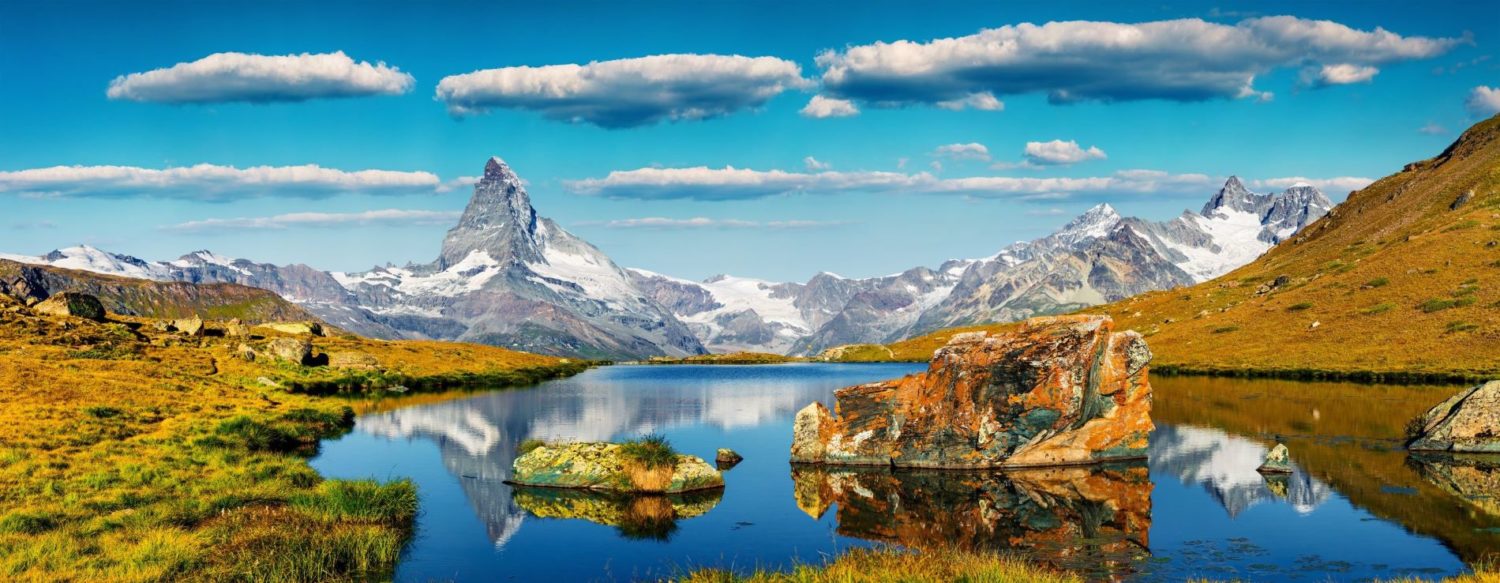
        • Zermatt, at the foot of the iconic Matterhorn, has been car-free since 1961. Only electric cars developed in Zermatt, bicycles, horse-drawn carriages, and electric buses traverse its roads, ensuring a clean and peaceful environment.
        • La Plagne, a vast ski area with 225 kilometres of pistes, relies on sustainable energy production, including a biomass power plant in the village itself.

Sustainable Ski Travel

Going Green on the Slopes

Green skiing isn’t just for the experts. We can all do our bit. From choosing eco-friendly gear to reducing energy consumption, learn how to be an eco-conscious skier. Your journey to the slopes is as crucial as the time you spend on them. In the world of sustainable ski travel and sustainable skiing, it’s imperative to recognize that your journey to the slopes is as crucial as the time you spend on them. Sustainable ski travel encompasses not only your eco-friendly mode of transportation but also your accommodation choices, the impact of your travel on local communities, and the carbon footprint left behind. Making environmentally conscious decisions in how you reach your snowy haven, from opting for shared transportation to reducing travel miles, not only minimizes your environmental impact but also supports the broader movement towards sustainable skiing. Discover how to make your travel to ski destinations more sustainable and book your Eco Transfer now and ski with a green conscience. It’s a reminder that the journey itself can be an integral part of the experience, one that aligns with the ethos of preserving the pristine alpine environments we hold dear.

Eco-Friendly Skiing: The Importance of Offsetting

What if we told you that you could be a climate hero while skiing? Carbon offsetting is the secret weapon in your eco-friendly skiing arsenal. To make a positive impact, you can consider supporting initiatives like reforestation projects, investing in renewable energy, or funding carbon capture technologies. Calculate your carbon emissions from activities like travel then invest in offset projects that match or exceed your emissions. Additionally, you can reduce your carbon footprint by using public transportation and supporting local, sustainable businesses. By taking these steps and engaging in climate offsetting, you can play your part in mitigating the effects of climate change and supporting a greener planet.

sustainable skiing

Green Skiing: Future-Proofing the Slopes

The future of skiing depends on the choices we make today. Sustainable practices can secure the slopes for generations to come. Join us in making eco-conscious skiing a reality. Whether you’re choosing an eco transfer from Geneva to Tignes or booking a shared transfer to Morzine, our choices today can help preserve the world’s most stunning ski destinations for tomorrow. In the words of one industry leader “The ski travel industry’s commitment to sustainability is a testament to our ability to have fun while preserving the environment.”

Sustainable Skiing: Protecting the Alpine Ecosystem

We are committed to protecting the beautiful places where we operate. The Alpine ecosystem, nestled high in the majestic peaks of the world’s most stunning mountain ranges, is a delicate treasure deserving of our utmost care and respect. This unique environment teems with life that has evolved to thrive in harsh conditions, from resilient alpine flowers to elusive wildlife like chamois and ibex. These ecosystems play a crucial role in regulating local and global climate patterns, acting as a natural water reservoir and protecting against landslides and avalanches. However, they are increasingly vulnerable to the impacts of climate change and human activity. The fragility of this ecosystem reminds us that our actions, including our choices as eco-conscious skiers, can either preserve or threaten this pristine wilderness for generations to come.

 Supporting Eco-Friendly Skiing Holidays

Sustainability and skiing aren’t at odds. They’re partners in preserving the mountains we love. Make a difference on your next ski trip by choosing eco-friendly skiing holiday options, supporting sustainable ski resorts, and embracing green skiing practices. By choosing our eco transfer option, you’re not only ensuring a cleaner environment but also supporting eco-friendly skiing initiatives. Let’s make a significant impact together and inspire more resorts and skiers to follow suit.

Join us in making sustainable skiing a reality. Whether you’re choosing an eco transfer from Geneva to Tignes or booking a shared transfer to Morzine, our choices today can help preserve the world’s most stunning ski destinations for tomorrow. In a world where the snow is melting, we must be the snowflakes that stick together. Our beloved mountains are counting on us.

Top Tips for Travelling at Peak Times During Ski Season

Ski-Lifts Top Tips for Travelling at Peak Times


Peak times in ski resorts can be exhilarating, with pristine slopes and cosy chalets awaiting. But they can also be a bit of a logistical challenge. Fear not, fellow snow enthusiast! We are here with some valuable tips to make travelling at peak times smoother and more cost-effective. Our fantastic airport transfers to over 200 ski resorts in 15 countries ensure your journey is hassle-free.

Cosy Ski Chalet in the Alps

Travel Smart, Save Big

Skiing on a budget? Planning your trip around peak times can still be wallet-friendly if you follow these tips.

Timing Is Everything

The majority of travellers start their journey to the slopes on Saturdays, which drives up prices for flights and airport transfers. To avoid this, consider shifting your travel dates by just one day—either depart on Friday or wait until Sunday. Not travelling at peak times is a small adjustment that can save you a bundle.

⇒ Beat the Crowds

Travelling on non-peak days means quieter airports, shorter queues, and smoother check-ins. Imagine breezing through security, sipping on a latte while others rush. Plus, the roads to your resort will be less congested, ensuring you reach your snowy haven faster.

Top tips for travelling at peak times

⇒ Enjoy Serene Slopes

Skiing on a Saturday while others travel has its perks too! Fewer skiers on the slopes mean shorter lift lines and more pristine runs. So, why not trade a travel day for a skiing day?

Saturday Survival Guide

If your heart is set on a Saturday departure during peak times, fear not. We have strategies to help you make the most of it.

⇒ Rise and Shine

Opt for an early morning flight to beat the travel rush. Early flights tend to be less affected by delays, ensuring a smoother start to your day.

⇒ Seek Hidden Gems

Consider smaller airports as alternatives to major hubs like Geneva. While they might have fewer flights, they often offer a more relaxed travel experience and can save you both time and money.

Soldeu in the Pyrenees

⇒ Explore Off the Beaten Track

Don’t overlook lesser-known ski resorts. Venturing off the beaten path can lead you to hidden gem resorts that are less crowded and more budget friendly. We love Sainte Foy in the Alps which is becoming popular with families who enjoy its laid-back atmosphere and Valloire famous as a point on the classic Tour de France route or for something completely different we highly recommend visiting the ski resorts in the Pyrenees. Resorts like  Soldeu with long wide blues and reds and no lift queues make for happy days on the slopes!

Ski-Lifts: Your Travel Companion

At Ski-Lifts, we’re dedicated to making your ski holiday seamless. We offer a wide range of transfers to suit all budgets across European resorts, North America and Japan. Remember, the early bird catches the worm, so book your transfer well in advance for the best deals and availability especially when you are travelling at peak times during the ski season.

⇒ Flexibility Is Key

With Ski-Lifts, you can amend your bookings at no extra cost, and we offer full refunds up to 7 days before your travel date. Your plans may change, but your savings won’t.

⇒ Loyalty Pays Off

Our Loyalty Scheme rewards you with discounts on every transfer booking. It’s our way of saying thank you for choosing Ski Lifts for your mountain adventures.

Guide to surviving a peak time ski holiday

Travelling at peak times to your skiing holiday can be a dream come true with a little planning and the right travel partner.

So, gear up, hit the slopes, and let Ski Lifts take care of the rest. Your snowy adventure awaits! 🎿❄️

Don’t forget to hire your ski equipment in advance too

Worried about booking your airport transfer in advance?

Read why booking in advance is a good idea…